

Benefits of Yoga
In today’s busy world, people are constantly searching for ways to stay healthy, reduce stress, and live a balanced life. One of the best and most natural ways to achieve this is yoga. Yoga is an ancient Indian practice that combines physical postures, breathing exercises, and meditation. It not only improves physical health but also helps calm the mind and strengthen emotional well-being.
What Is Yoga? Benefits of Yoga
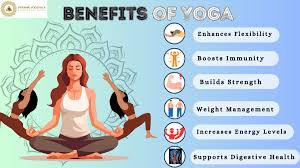
Yoga comes from the Sanskrit word **“Yuj,”** which means to unite. It represents the connection between the body, mind, and soul. Unlike regular exercise, yoga focuses on complete wellness. It teaches discipline, patience, balance, and inner peace. Whether you are a student, working professional, homemaker, or senior citizen, yoga can benefit you in many ways.
1. Improves Flexibility and Strength
One of the most common benefits of yoga is improved flexibility. Many people experience stiffness due to long sitting hours, lack of movement, or poor posture. Yoga poses gently stretch the muscles and make the body more flexible.
Regular practice of poses like **Tadasana, Bhujangasana, Trikonasana, and Vrikshasana** helps strengthen muscles, improve posture, and increase body balance. Over time, the body becomes more active, strong, and energetic.
2. Reduces Stress and Anxiety
Stress has become a part of modern life. Work pressure, studies, family responsibilities, and daily problems often affect mental peace. Yoga helps reduce stress by calming the nervous system.
Breathing exercises such as **Pranayama, Anulom Vilom, and Bhramari** help relax the mind and improve focus. Meditation also helps control negative thoughts and brings emotional stability. People who practice yoga regularly often feel more peaceful, confident, and positive.
3. Improves Heart Health
Yoga is also beneficial for the heart. It helps improve blood circulation, control blood pressure, and reduce stress, which are important for maintaining heart health. Gentle yoga poses and deep breathing support better oxygen flow in the body.
A healthy heart leads to better energy levels and a lower risk of lifestyle-related diseases. Practicing yoga along with a healthy diet and active lifestyle can greatly support cardiovascular wellness.
4. Helps in Better Sleep
Many people suffer from poor sleep due to stress, overthinking, or unhealthy routines. Yoga helps relax the body and mind, making it easier to sleep peacefully.
Simple evening yoga stretches and breathing exercises before bedtime can reduce tension and prepare the body for rest. Better sleep improves mood, concentration, immunity, and overall health.
5. Supports Weight Management
Yoga can also help in maintaining a healthy weight. Although it may not be as intense as gym workouts, yoga improves metabolism, digestion, and body awareness. Active forms of yoga such as **Power Yoga, Vinyasa Yoga, and Surya Namaskar** help burn calories and increase stamina.
Yoga also teaches mindful eating. When people become more aware of their bodies, they often make healthier food choices and avoid overeating.
6. Boosts Immunity
A strong immune system protects the body from infections and diseases. Yoga helps improve immunity by reducing stress and supporting better body functions. Breathing exercises improve lung capacity, while yoga poses stimulate blood flow and improve internal organ health.
When the body and mind are relaxed, the immune system works more effectively.
7. Increases Concentration and Focus
Yoga is very useful for students and professionals because it improves concentration and mental clarity. Meditation teaches the mind to stay present and avoid distractions.
Regular yoga practice can improve memory, decision-making ability, and productivity. It helps students study better and helps working people perform tasks with greater focus and creativity.
8. Provides Relief from Pain
Many people suffer from back pain, neck pain, joint pain, or headaches because of poor posture and long sitting hours. Yoga helps reduce pain by stretching tight muscles, improving posture, and relaxing the body.
Gentle poses can be especially helpful for people with chronic pain. However, people with serious medical conditions should practice yoga under expert guidance.
9. Promotes Emotional Balance
Yoga is not only about the body; it also supports emotional health. It teaches patience, self-control, and awareness. Through meditation and breathing, people learn to manage anger, fear, sadness, and anxiety.
This emotional balance helps improve relationships, decision-making, and overall happiness.
10. Encourages a Balanced Lifestyle
Yoga encourages people to live a disciplined and healthy life. It motivates individuals to wake up early, eat better, stay active, and think positively. Unlike short-term fitness trends, yoga is a lifelong practice that supports complete wellness.
It teaches us to slow down, breathe deeply, and connect with ourselves.
Conclusion
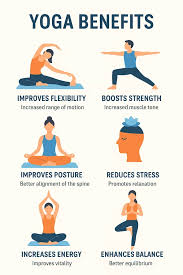
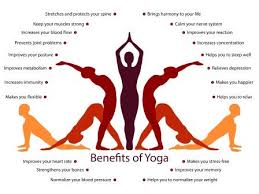
Yoga is one of the best gifts of ancient Indian culture to the world. It improves flexibility, strength, heart health, sleep, concentration, immunity, and emotional peace. Most importantly, yoga helps create balance between the body and mind.
By practicing yoga regularly, even for 20 to 30 minutes a day, anyone can experience positive changes in life. In a world full of stress and unhealthy habits, yoga is a simple, natural, and powerful way to live a healthier, happier, and more peaceful life.